
Common Mistakes When Conducting CPR
Cardiopulmonary resuscitation (CPR) is a crucial life-saving technique used in emergencies when someone’s heartbeat or breathing has stopped. While CPR can significantly increase the chances of survival, it’s vital to perform it correctly. Here are some common mistakes when conducting CPR.
1. Delay in Starting CPR
Every second counts in a cardiac emergency. Hesitation or delay in starting CPR can decrease the person’s chances of survival.
Tip: If you witness someone collapse and they are unresponsive and not breathing normally, call emergency services immediately and begin CPR without delay.
2. Incorrect Hand Placement
Proper hand placement is crucial for effective chest compressions. Placing your hands too high or too low on the chest can reduce the effectiveness of compressions and potentially cause injury.
Tip: Place the heel of one hand on the center of the person’s chest, on the lower half of the sternum. Place your other hand on top and interlock your fingers. Keep your elbows straight and use your body weight to perform compressions.


3. Insufficient Compression Depth
Shallow compressions do not effectively circulate blood to the vital organs. On the other hand, excessively deep compressions can cause injury.
Tip: Compress the chest at least 2 inches (5 cm) deep for adults. Allow the chest to fully recoil between compressions to maximize blood flow.
4. Inadequate Compression Rate
Compressing too slowly or too quickly can reduce the effectiveness of CPR. The ideal compression rate is essential for maintaining adequate blood flow.
Tip: Aim for a compression rate of 100-120 compressions per minute. A helpful way to maintain the correct rhythm is to compress to the beat of the song “Stayin’ Alive” by the Bee Gees.
5. Not Allowing Full Chest Recoil
Failing to allow the chest to fully recoil between compressions can decrease the return of blood to the heart and reduce the effectiveness of CPR.
Tip: Ensure you lift your hands slightly off the chest after each compression to allow for full recoil. This helps maintain adequate blood circulation.


6. Improper Rescue Breaths
Incorrectly performed rescue breaths, such as not sealing the airway properly or blowing too hard, can be ineffective or even harmful.
Tip: If trained and able, give two rescue breaths after every 30 compressions. Tilt the head back, lift the chin, pinch the nose shut, and make a complete seal over the person’s mouth with yours. Give each breath over one second, watching for chest rise.
7. Overlooking the Importance of AED
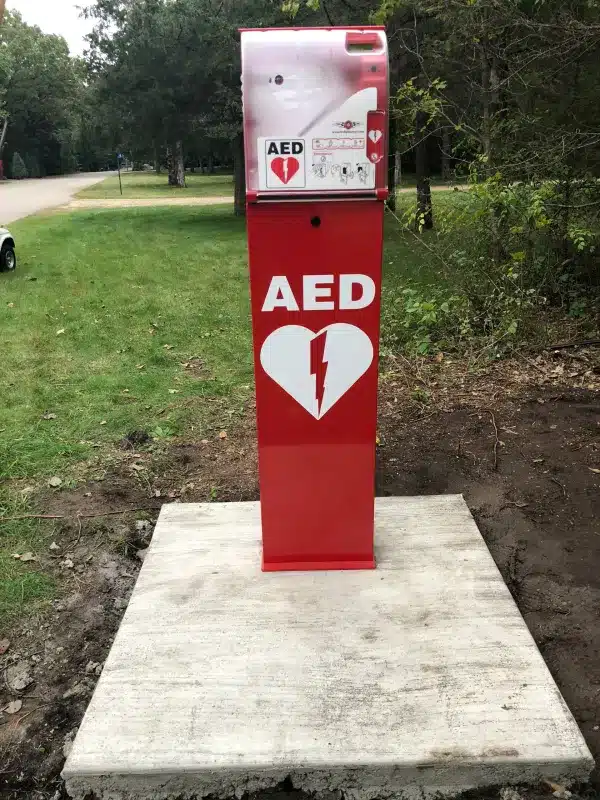
An Automated External Defibrillator (AED) is a critical tool that can help restore a normal heart rhythm. Failing to use an AED when available can reduce the chances of survival.
Tip: As soon as an AED is available, turn it on and follow the voice prompts. Continue CPR until the AED is ready to analyze the heart rhythm, then follow its instructions.
8. Not Using Proper Body Mechanics
Incorrect body mechanics can lead to fatigue and decrease the effectiveness of compressions.
Tip: Position yourself directly over the person’s chest and use your body weight, not just your arms, to perform compressions. This helps maintain consistent depth and reduces fatigue.
9. Stopping CPR Too Soon
Stopping CPR too soon, especially before professional help arrives, can decrease the person’s chances of survival.
Tip: Continue CPR until emergency medical services (EMS) arrive and take over, the person shows signs of life, or you are physically unable to continue.
10. Failing to Call for Help
Not calling for emergency services can delay advanced care, reducing the likelihood of a positive outcome.
Tip: Always call for emergency services as soon as you identify a cardiac emergency. If someone else is present, have them call while you begin CPR.
Conclusion
Performing CPR correctly is vital in an emergency. Avoiding these common mistakes can significantly improve the chances of survival and recovery for the person in need. Regularly refreshing your CPR skills through certified courses and staying informed about the latest guidelines will help ensure you are prepared to act effectively in an emergency. Remember, your prompt and correct actions can make the difference between life and death.