

Why Every Workplace Should Have CPR, AED, and First Aid Training
Medical emergencies can happen in any workplace, often without warning. A cardiac event, choking incident, bleeding injury, fall, burn, or sudden illness can affect employees, visitors, customers, or contractors in a matter of seconds. When something serious happens, the first few minutes matter.
That is why CPR, AED, and first aid instruction remains one of the most valuable safety investments an employer can make. It gives employees the ability to respond quickly, support an injured or ill person, and take meaningful action until emergency medical services arrive.
For employers, safety managers, operations leaders, schools, and industrial facilities, this kind of training is not just about preparedness on paper. It helps create a workforce that is more capable, more confident, and better equipped to handle real emergencies when they occur.
At Firefighter Safe, training is built around practical response, hands-on learning, and real-world instruction from experienced firefighter and paramedic professionals. Here is why every workplace should treat emergency response training as an important part of its overall safety strategy.
Emergencies Are Not Limited to High-Risk Worksites
Some employers assume emergency medical response training is only necessary in industrial or high-hazard settings. While manufacturing plants, construction sites, warehouses, and field operations certainly face significant risks, emergencies also happen in offices, schools, healthcare environments, retail spaces, and public buildings.
An employee might go into cardiac arrest in a conference room. A visitor could begin choking in a cafeteria. A team member may suffer a severe cut in a stockroom or experience a medical emergency during a shift. Falls, burns, allergic reactions, seizures, and heat-related illnesses can happen in almost any work environment.
No matter the setting, there is always a period between the start of an incident and the arrival of EMS. Trained employees can make that time more productive and more controlled by recognizing the problem, alerting emergency services, and providing immediate care within the scope of their training.
The First Few Minutes Matter
In many medical emergencies, early action is critical. Immediate CPR, rapid access to an AED, and basic first aid can help support the victim until advanced care arrives. While emergency responders play the lead role in patient care, bystanders and coworkers are often the first people on scene.
That is a major reason workplaces should invest in this kind of instruction. It helps employees respond rather than hesitate. When people know how to assess a situation, call for help, begin care, and use available equipment, the response is often faster and more organized.
Even simple actions such as recognizing unresponsiveness, retrieving an AED quickly, controlling bleeding, or helping someone during a choking emergency can make a serious difference in how an incident unfolds.

Training Helps Employees Respond with Confidence
During an emergency, uncertainty is one of the biggest obstacles. Many people want to help, but they are unsure what to do. They may be afraid of making a mistake, misjudging the situation, or causing more harm.
Hands-on instruction helps reduce that hesitation. It gives participants the chance to learn the correct steps, practice skills, and understand how to respond under pressure. When employees feel more familiar with emergency procedures, they are far more likely to step in quickly and appropriately.
Confidence is a major benefit of workplace safety training. Employees who understand the basics of emergency response are more likely to stay calm, communicate clearly, and support a more effective workplace response when every second counts.
It Strengthens Workplace Preparedness
A safer workplace is not built only through written policies or posted emergency numbers. Preparedness depends on people. When employers provide practical emergency response education, they help create a culture where safety is taken seriously and employees understand their role in an unexpected event.
This type of training reinforces the idea that emergency readiness is part of the workplace culture, not just a box to check. It shows employees that their safety matters and that the organization values practical preparation.
That message can have a broader effect throughout the workplace. Teams that take emergency readiness seriously often become more engaged in hazard awareness, reporting, prevention efforts, and overall safety participation.
AEDs Are Most Effective When Staff Know How to Use Them
Many businesses now have automated external defibrillators onsite, but equipment alone does not create readiness. If employees are unfamiliar with the device, do not know where it is located, or are unsure when to use it, valuable time can be lost.
Training helps remove that uncertainty. Employees learn how an AED fits into the overall emergency response process and why quick access matters. They also become more comfortable retrieving the device and using it as part of a coordinated response.
For employers, this is an important distinction. Owning an AED is a positive step, but preparedness improves when that equipment is paired with effective instruction and a clear workplace emergency plan.
Different Workplaces Face Different Risks
Every organization has its own hazards, staffing patterns, building layout, and emergency response concerns. A school may need to prepare staff for student medical emergencies. A warehouse may focus on injuries involving lifting, movement, or equipment. A construction or industrial site may face delayed EMS access or higher-risk tasks. An office may be more concerned with cardiac events, slips and falls, or emergencies involving visitors.
Because of that, training is most effective when it reflects the real conditions employees may encounter. Onsite instruction can be especially valuable because it can be aligned with the workplace environment, emergency procedures, and available equipment.
When training feels relevant to the jobsite, employees are often more engaged and better able to apply what they learned if a real emergency occurs.
Better Training Can Reduce Panic and Improve Coordination
Emergencies often create confusion. People may freeze, talk over one another, crowd the scene, or fail to follow a clear process. Without preparation, valuable time can be lost.
Training helps reduce disorder by giving employees a better understanding of what to do first and how to work together. They learn how to recognize an emergency, activate the response process, call 911, retrieve equipment, assist the victim, and help guide professional responders once they arrive.
Even if only part of the team is expected to take a direct response role, broader awareness among employees can improve overall coordination and help the organization respond more effectively.
These Skills Matter Beyond the Workplace
One of the overlooked benefits of emergency response instruction is that employees carry those skills with them outside of work. They may use them at home, in public places, during travel, at youth sports events, or while helping a friend or family member.
That makes this type of instruction valuable on both a professional and personal level. Employees often appreciate training more when they understand it is not only relevant to the workplace, but also to everyday life.
For employers, offering this training supports workforce development in a way that feels practical and meaningful.

Instructor Experience Makes a Difference
Not all training programs are equal. Employees tend to get more from instruction that is practical, interactive, and led by people with real emergency response experience. Scenario-based learning, hands-on practice, and strong instruction can improve engagement and retention.
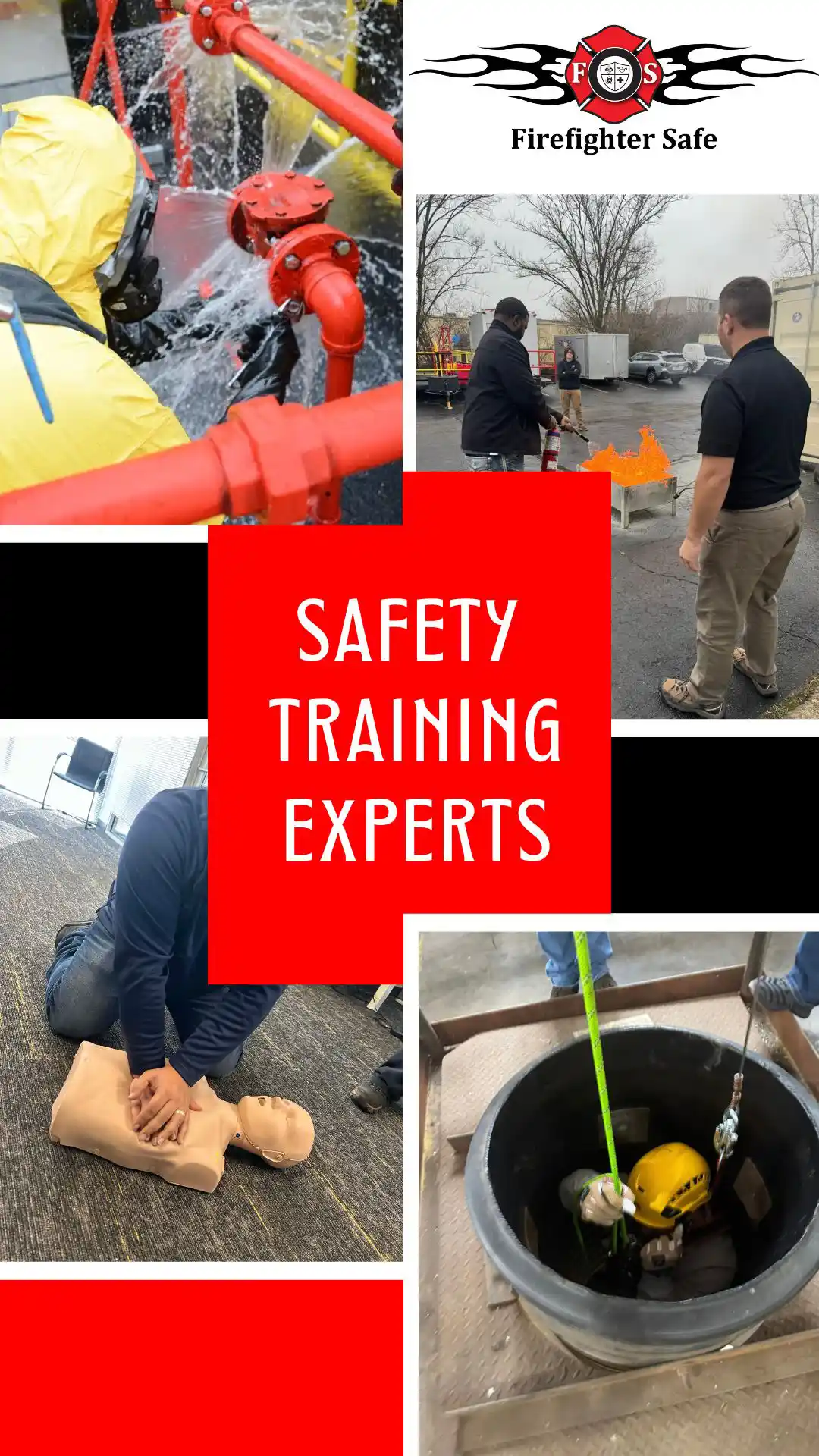
At Firefighter Safe, training is delivered with a real-world perspective shaped by firefighter and paramedic backgrounds. That matters because it helps connect the course material to actual emergencies, not just theory. Teams benefit when they can ask questions, work through realistic situations, and learn from instructors who understand emergency response firsthand.
Conclusion
Every workplace should be prepared for medical emergencies. Whether the setting is an office, manufacturing facility, school, healthcare environment, warehouse, or jobsite, the need for a fast and informed response is real.
CPR, AED, and first aid training helps employees recognize emergencies, take early action, and support a safer, more organized response until EMS arrives. It builds confidence, strengthens preparedness, and supports a stronger overall safety culture.
For organizations that want practical, professionally led instruction, the goal should be more than simply completing a class. The goal should be preparing people to respond when it matters most.