
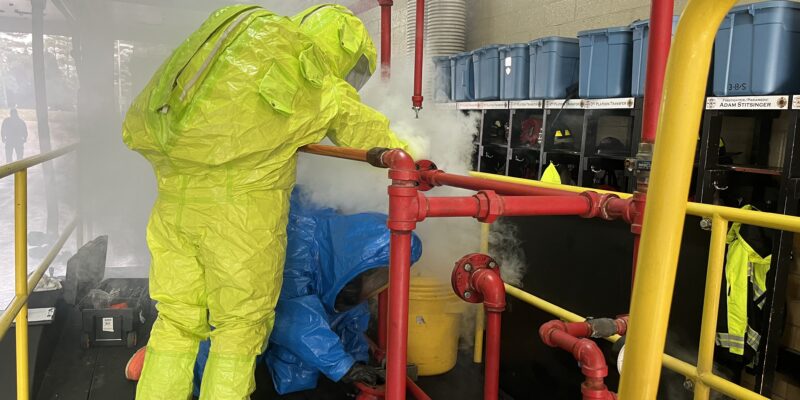
What is HAZWOPER Training and Who Needs It?
In workplaces across the country, hazardous substances pose serious risks not only to the environment but also to human health and safety. To help minimize these risks and prepare workers for emergency response, the Occupational Safety and Health Administration (OSHA) developed a standard known as HAZWOPER—short for Hazardous Waste Operations and Emergency Response. This training is more than a requirement; it’s a life-saving resource for those who work in potentially dangerous conditions.
Whether you’re an employer, a safety officer, or a contractor, understanding HAZWOPER training is critical to compliance, workplace readiness, and the safety of your team. Let’s break down what HAZWOPER is, who needs it, and how it can benefit your organization.
What is HAZWOPER?
HAZWOPER refers to a set of OSHA regulations codified in 29 CFR 1910.120. It was initially developed in the 1980s in response to high-profile environmental disasters such as the Love Canal and the Valley of the Drums. These incidents highlighted the urgent need for standardized safety procedures when dealing with hazardous waste.
The HAZWOPER standard mandates safety procedures, training requirements, and protective equipment for workers involved in:
-
Hazardous waste site cleanup
-
Emergency response to hazardous substance releases
-
Operations at treatment, storage, and disposal (TSD) facilities
The primary goal is to ensure that workers understand the risks involved, can use the appropriate protective measures, and are prepared to act swiftly and safely in the event of an incident.


Who Needs HAZWOPER Training?
HAZWOPER training isn’t for everyone—but it is essential for workers in specific industries and job roles. If your employees fall into any of the categories below, they may be required to undergo HAZWOPER training.
1. Hazardous Waste Site Workers
This includes employees involved in the cleanup of uncontrolled hazardous waste sites. These sites might be identified by federal, state, or local governments and can include landfills, chemical spills, and contaminated groundwater.
Common Job Roles:
-
Environmental engineers
-
Field technicians
-
Industrial hygienists
2. Treatment, Storage, and Disposal (TSD) Facility Workers
Employees at facilities that treat, store, or dispose of hazardous waste must complete training. These workers handle regulated materials and need in-depth knowledge of risk prevention.
Common Job Roles:
-
Facility operators
-
Lab technicians
-
Compliance officers
3. Emergency Responders
This group includes firefighters, police, EMTs, and industrial emergency teams who may respond to hazardous material spills, leaks, or accidents.
Common Job Roles:
-
Firefighters
-
Hazmat teams
-
Safety coordinators
4. Supervisors and Managers
Even if supervisors aren’t directly handling hazardous substances, they must understand HAZWOPER protocols to lead teams effectively and maintain safety standards.

Levels of HAZWOPER Training
OSHA mandates different training levels depending on the scope of work and exposure risk. The three most common types are:
40-Hour HAZWOPER
-
Required for workers at hazardous waste sites and those involved in cleanup operations.
-
Includes 40 hours of instruction and 3 days of supervised field experience.
-
Covers hazard recognition, PPE, decontamination, and emergency procedures.
24-Hour HAZWOPER
-
Designed for occasional site workers with limited exposure.
-
Typically used by TSD facility personnel and emergency responders in limited roles.
8-Hour Annual Refresher
-
Mandatory yearly refresher to keep training current.
-
Reviews safety protocols, regulatory updates, and changes in procedures.
Why HAZWOPER Training is Critical
1. Regulatory Compliance
Failing to provide HAZWOPER training can result in heavy OSHA fines and legal consequences. Training ensures your organization remains compliant with federal and state regulations.
2. Workplace Safety
HAZWOPER training equips workers with the skills to prevent accidents, handle toxic materials safely, and respond to emergencies. This reduces workplace injuries and health risks.
3. Preparedness in Emergencies
In the event of a hazardous spill or exposure, trained workers can act decisively—limiting damage, protecting others, and potentially saving lives.
4. Reputation and Credibility
Clients, partners, and insurers are more likely to trust and do business with companies that invest in safety and training. HAZWOPER certification can be a competitive advantage.
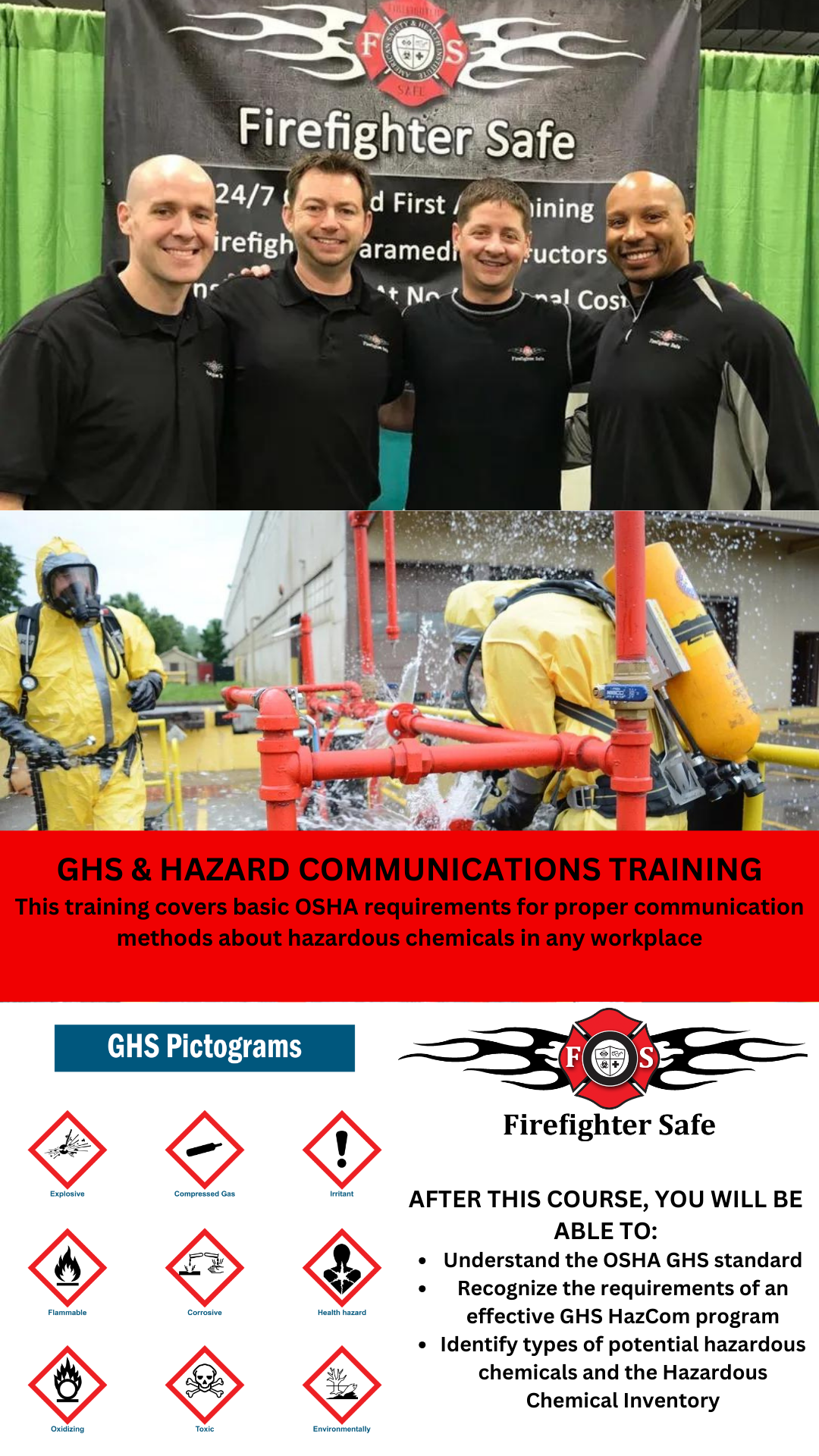
Firefighter Safe: Your Partner in HAZWOPER Training
At Firefighter Safe, we understand that safety isn’t just a checkbox—it’s a commitment. Our HAZWOPER training programs are designed for real-world application, not just regulatory compliance. We offer:
-
OSHA-compliant 40-Hour, 24-Hour, and 8-Hour Refresher Courses
-
On-site and virtual training options
-
Certified instructors with field experience
-
Customized training plans for your industry
Whether you’re preparing a team for hazardous waste site work or organizing emergency response procedures for your facility, we’re here to help you build a safer, more compliant workplace.
Final Thoughts
HAZWOPER training isn’t just for the EPA or large industrial operations—it’s vital for countless businesses, municipalities, and workers across Ohio and the nation. As environmental hazards become more prevalent and regulations tighten, ensuring your team is trained and ready is both a legal and moral obligation.
At Firefighter Safe, we’re proud to be Ohio’s trusted resource for HAZWOPER and safety training. Contact us today to schedule your training or learn more about how we can help your organization stay safe, certified, and compliant.