

Workplace AEDs: Why Every Workplace Should Have One
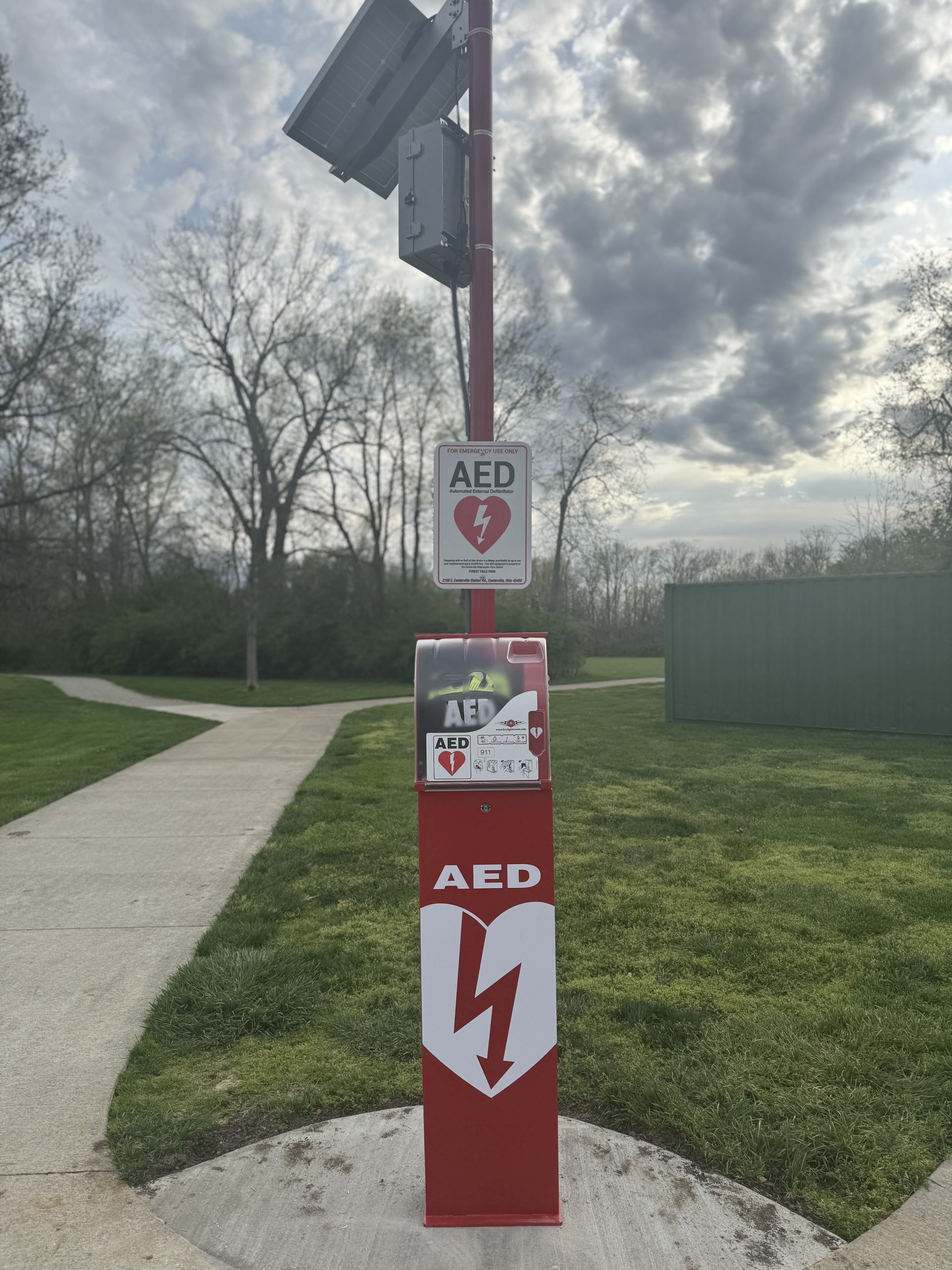
Sudden cardiac arrest (SCA) can happen to anyone, anywhere, and at any time. It doesn’t just occur on sports fields or in hospitals — it happens in workplaces, schools, factories, and offices every single day. When cardiac arrest strikes, every second counts. Having an Automated External Defibrillator (AED) readily available at your workplace can mean the difference between life and death.
At Firefighter Safe, we’ve seen firsthand how preparedness saves lives. Let’s explore why every workplace should have an AED, what the law says, and how AED training can empower your team to respond confidently in an emergency.
What Is an AED and How Does It Work?
An Automated External Defibrillator (AED) is a portable medical device designed to analyze a person’s heart rhythm and, if necessary, deliver an electrical shock to restore a normal heartbeat. AEDs are user-friendly and guide responders through each step with voice and visual prompts.
Here’s how it works:
-
Turn on the AED. The device gives clear instructions.
-
Attach pads to the victim’s bare chest.
-
The AED analyzes the heart rhythm.
-
If a shock is needed, the AED instructs the rescuer to press the shock button.
-
The rescuer then resumes CPR until emergency services arrive.
Even without medical training, an AED makes it possible for anyone to assist a cardiac arrest victim within moments — long before paramedics can arrive.
Why Every Workplace Needs an AED
1. Cardiac Arrest Can Happen Anywhere
According to the American Heart Association, more than 350,000 cardiac arrests occur outside of hospitals in the U.S. each year. Nearly 10,000 happen in the workplace. The majority of these victims had no prior symptoms or warning signs.
An AED can be the single most important piece of equipment in your building because cardiac arrest can affect anyone — employees, customers, or visitors — regardless of age or fitness level.
2. Time Is Critical
For every minute that passes without CPR and defibrillation, a person’s chance of survival drops by 7–10%. Emergency medical services often take 8–12 minutes to arrive — far too long to wait in a life-threatening emergency.
Workplaces equipped with AEDs allow trained staff to begin defibrillation within 3–4 minutes, drastically increasing survival rates — in some cases up to 70% or higher when used promptly.
3. It’s an OSHA-Recognized Best Practice
While OSHA doesn’t currently require AEDs in all workplaces, the agency strongly encourages employers to provide them, especially in high-risk or large facilities. OSHA emphasizes that immediate defibrillation is a crucial part of workplace emergency response programs.
Having an AED on-site also demonstrates a commitment to safety, employee well-being, and compliance with OSHA’s general duty clause, which requires employers to provide a safe work environment.
4. AEDs Are Easy to Use
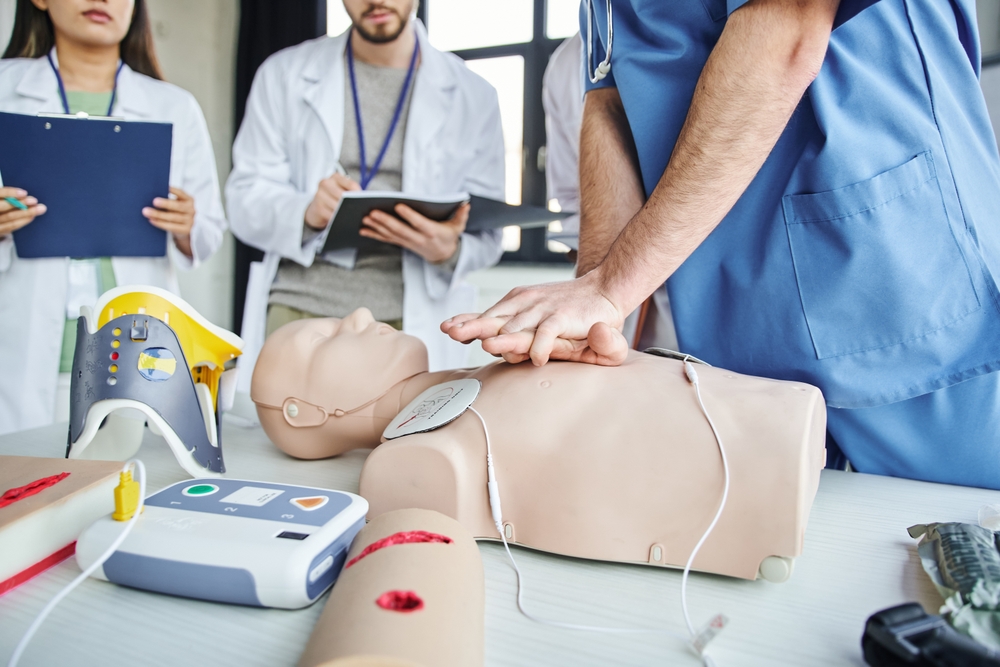
Many employers hesitate to purchase AEDs because they assume the devices require medical training or maintenance. In reality, AEDs are designed for non-medical personnel.
They feature:
-
Voice prompts that walk users through every step
-
Diagrams showing where to place pads
-
Automatic shock detection and delivery
-
Safety mechanisms that prevent unnecessary shocks
With minimal training, anyone in your workplace can confidently use an AED in an emergency.
5. AEDs Are Affordable and Low-Maintenance
In recent years, AEDs have become more affordable and easier to maintain. Most models require only:
-
A simple monthly visual check
-
Replacement of pads and batteries every 2–5 years
Compared to the potential cost of losing an employee’s life — not to mention the emotional and legal impacts — investing in an AED is a small price to pay for peace of mind.
6. It Builds a Culture of Safety and Confidence
When employees know their workplace is equipped with life-saving tools like AEDs, it sends a strong message: “We care about your safety.”
Having an AED available — and ensuring staff are trained to use it — fosters:
-
Confidence during emergencies
-
Stronger teamwork
-
Increased morale and trust in leadership
Workplace safety isn’t just about preventing accidents; it’s about being ready to respond effectively when they occur.
Who Should Be Trained to Use an AED?
While AEDs can be used by anyone, training enhances response time and effectiveness. Firefighter Safe recommends that:
-
All safety officers, supervisors, and HR personnel receive AED and CPR training
-
Every shift has at least one trained responder
-
AED drills are included in your emergency response plan
AED and CPR training can be completed in a few hours and often includes hands-on simulations using training manikins and defibrillators.
At Firefighter Safe, our CPR and AED training classes are designed for real-world scenarios — led by certified instructors with backgrounds in firefighting and emergency response.

Where Should AEDs Be Placed in the Workplace?
To be effective, AEDs must be accessible and visible. OSHA and the American Heart Association recommend:
-
Placing AEDs in common areas — like break rooms, hallways, and near entrances
-
Ensuring they’re no more than a 90-second walk from any point in the building
-
Mounting them at eye level with clear signage
-
Registering the AED location with local emergency services
Large facilities, multi-floor offices, and warehouses may need multiple AED units for optimal coverage.
The Bottom Line
An AED isn’t just a box on the wall — it’s a lifesaving tool that can make your workplace safer, more compliant, and more confident in the face of emergencies.
By investing in AEDs and training your staff, you’re not just checking a safety box — you’re giving your employees, visitors, and community the best chance of survival if the unthinkable happens.
At Firefighter Safe, we provide CPR, AED, and First Aid training across Ohio, helping businesses of all sizes prepare for real-life emergencies. Our instructors are first responders who bring real-world experience to every class.
Be proactive, not reactive.
Equip your workplace with an AED — and train your team to use it.