
What Happens During Confined Space Certification Training?
Working in confined spaces can be extremely dangerous if workers are not properly trained. Areas such as tanks, silos, manholes, vaults, and pipelines may contain hazardous atmospheres, limited entry and exit points, and other hidden risks. Because of these dangers, OSHA requires workers who enter these environments to receive proper safety training.
This is where confined space certification becomes essential. A quality training program teaches workers how to recognize hazards, use safety equipment correctly, and follow established procedures that help prevent injuries and fatalities.
If you have never attended a course before, you may be wondering what the training actually includes. Understanding what happens during confined space certification training can help workers and employers see why it plays such an important role in workplace safety.
If you’re wondering what actually happens during a confined space certification training course, this guide will walk you through the key topics, hands-on training components, and skills employees learn to work safely in these environments.
What is HAZWOPER and Why PPE Matters
HAZWOPER stands for Hazardous Waste Operations and Emergency Response, a set of OSHA regulations (29 CFR 1910.120) designed to protect workers involved in hazardous substance cleanup, emergency response, and waste handling.
These environments often involve exposure to:
- Toxic chemicals
- Corrosive substances
- Flammable materials
- Biological hazards
- Oxygen-deficient atmospheres
Because of these risks, PPE requirements for HAZWOPER situations are strict and highly regulated. The goal is simple: protect workers from exposure that could cause injury, illness, or death.
The Four Levels of PPE in HAZWOPER
HAZWOPER PPE is categorized into four levels—Level A, B, C, and D—based on the degree of protection required. Each level corresponds to the type of hazard present and the exposure risk.
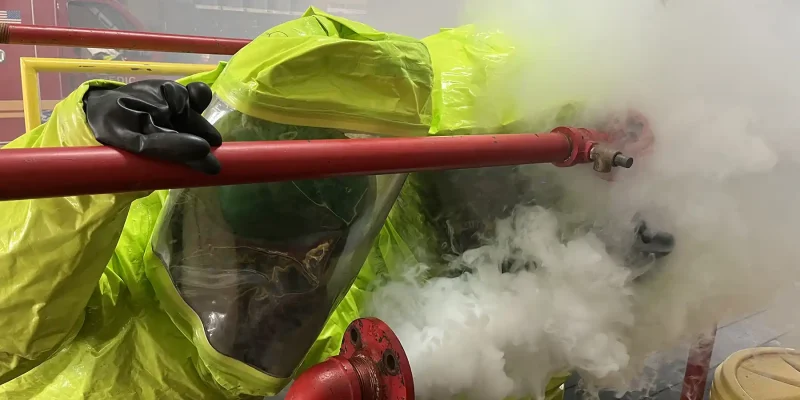
Level A PPE: Maximum Protection
Level A provides the highest level of skin, respiratory, and eye protection. It is used when the hazard is unknown or extremely dangerous.
Typical Level A PPE includes:
- Fully encapsulating chemical-resistant suit
- Self-contained breathing apparatus (SCBA)
- Chemical-resistant gloves (inner and outer)
- Chemical-resistant boots
This level is required in situations involving highly toxic vapors, gases, or substances that can be absorbed through the skin.

Level B PPE: High Respiratory Protection
Level B PPE is used when respiratory protection is critical, but skin exposure risk is lower than Level A.
Components include:
- SCBA or supplied-air respirator
- Chemical-resistant clothing (non-encapsulating)
- Gloves and boots resistant to chemicals
Level B is commonly used during initial site entry or when contaminants are known but still pose inhalation risks.
Level C PPE: Air-Purifying Protection
Level C PPE is appropriate when contaminants are known and measured, and air-purifying respirators (APR) can adequately protect workers.
Typical gear includes:
- Full-face or half-mask air-purifying respirator
- Chemical-resistant clothing
- Gloves and boots
This level is often used in cleanup operations where air monitoring confirms safe conditions for APR use.
Level D PPE: Minimal Protection
Level D is the lowest level of PPE and is used when there are no respiratory or significant skin hazards.
It generally includes:
- Standard work uniform
- Safety boots
- Gloves
- Safety glasses or hard hat (as needed)
While Level D offers minimal protection, it is still important for general workplace safety.

Key Components of HAZWOPER PPE
Beyond the levels, understanding individual PPE components is essential for proper protection.
Respiratory Protection
Respiratory hazards are one of the biggest risks in HAZWOPER environments. Workers may be exposed to toxic fumes, vapors, or oxygen-deficient atmospheres.
Common respiratory PPE includes:
- SCBA for unknown or dangerous atmospheres
- Supplied-air respirators for extended work
- Air-purifying respirators for controlled environments
Proper fit testing and training are required to ensure effectiveness.
Protective Clothing
Chemical-resistant clothing protects against splashes, vapors, and direct contact with hazardous substances.
Types include:
- Fully encapsulated suits
- Splash suits
- Flame-resistant garments
Material selection depends on the chemicals present and exposure risk.
Hand Protection
Gloves are critical in preventing chemical exposure through the skin. Often, workers wear multiple layers for added protection.
Common glove materials:
- Nitrile
- Neoprene
- Butyl rubber
Choosing the right glove depends on chemical compatibility.
How to Choose the Right PPE for HAZWOPER Situations
Selecting the correct PPE is not guesswork—it requires a thorough hazard assessment.
Key factors include:
- Type of hazardous substance
- Concentration levels
- Route of exposure (inhalation, skin contact, ingestion)
- Environmental conditions
- Duration of exposure
Employers must conduct site evaluations and use air monitoring data to determine the appropriate PPE level.
OSHA Requirements for HAZWOPER PPE
OSHA mandates that employers:
- Perform hazard assessments before work begins
- Provide appropriate PPE at no cost to employees
- Train workers on proper PPE use
- Ensure proper maintenance, cleaning, and storage
- Conduct medical evaluations for respirator use
Failure to meet these requirements can result in fines, injuries, and serious liability issues.
The Importance of HAZWOPER Training
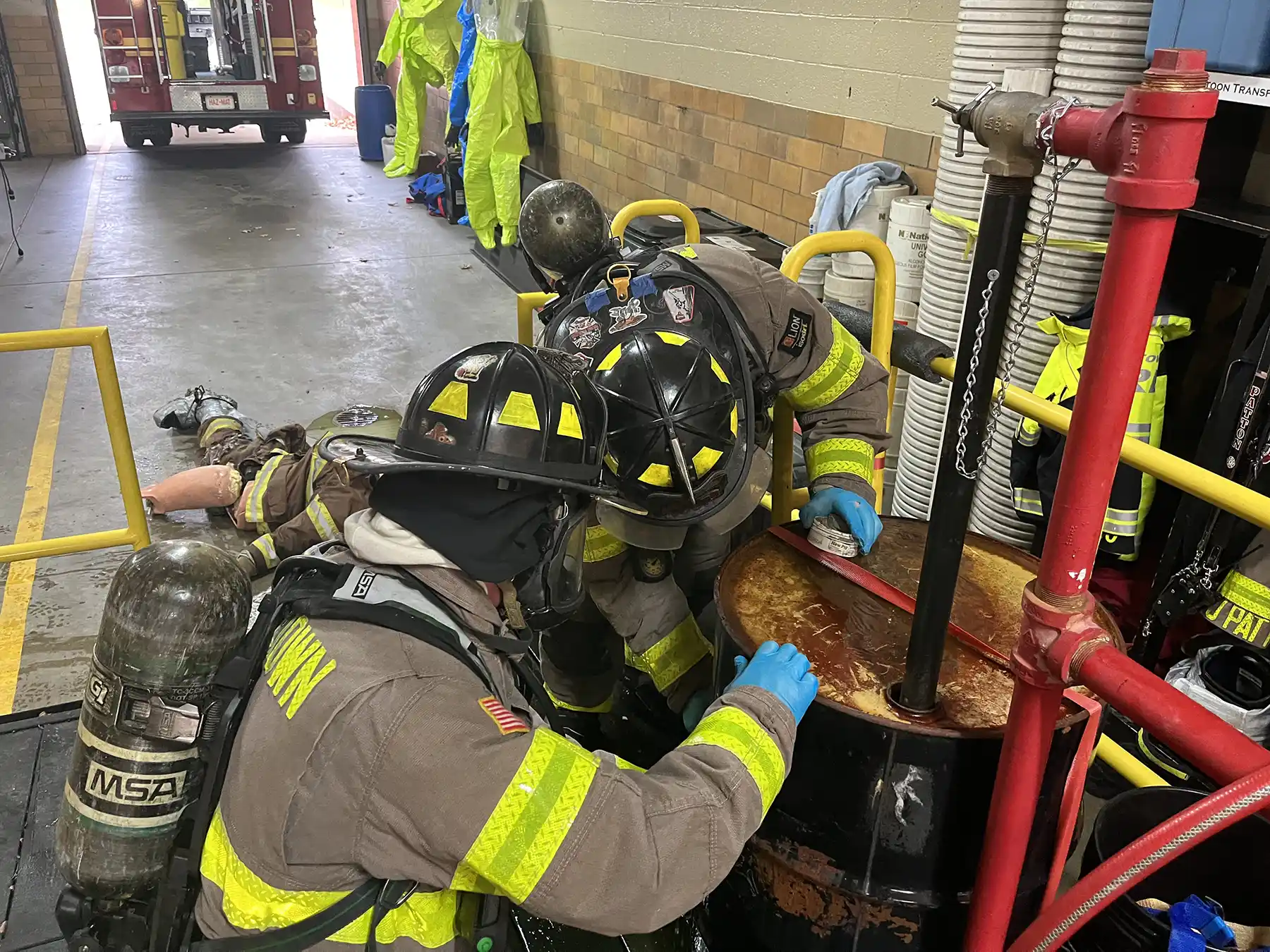
Even the best PPE is ineffective if workers don’t know how to use it properly. HAZWOPER training ensures employees understand:
- When and how to use PPE
- Limitations of protective equipment
- Decontamination procedures
- Emergency response protocols
Training also helps workers recognize hazards and make informed safety decisions on the job.

Why PPE Compliance Matters
PPE compliance in HAZWOPER situations isn’t just about following rules—it’s about protecting lives. Proper equipment reduces the risk of:
- Chemical burns
- Respiratory illness
- Long-term health effects
- Workplace fatalities
It also helps companies stay compliant with OSHA regulations and avoid costly penalties.
Final Thoughts
Understanding PPE requirements for HAZWOPER situations is essential for any worker or employer dealing with hazardous materials. From selecting the right protection level to ensuring proper training and compliance, every step plays a role in keeping workers safe.
Investing in high-quality PPE and professional training isn’t just a regulatory requirement—it’s a commitment to safety, health, and operational excellence.
If your team works in hazardous environments, now is the time to ensure they are properly equipped and trained. The right PPE, combined with expert instruction, can prevent accidents and save lives.
Need HAZWOPER training for your team? Firefighter Safe offers comprehensive, OSHA-compliant training programs designed to keep your workforce protected and prepared for any hazardous situation.