
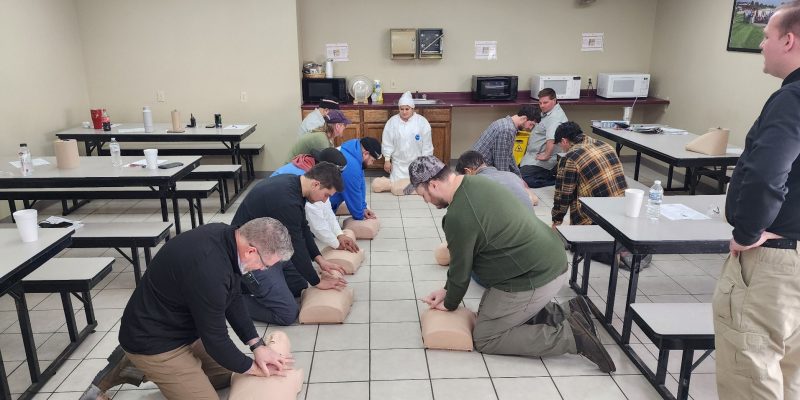
In Person CPR Training, What to Expect
When it comes to emergency response, there’s nothing more important than being ready to act — quickly, confidently, and correctly. At Firefighter Safe, we believe that one of the most valuable skills anyone can learn is in person CPR training, because it not only teaches you what to do, but how to do it in a realistic, hands-on environment.
While many people may have read about CPR or watched videos online, real confidence comes from structured in person CPR training. This approach allows you to practice life-saving techniques under the guidance of experienced instructors, helping you build the skills and muscle memory needed to respond when seconds matter.
In this post, we’ll walk through what you can expect when you attend an in-person CPR class with Firefighter Safe — from preparing for your session to walking away with confidence in your ability to help save a life.
What Is In Person CPR Training?
In person CPR training is a classroom-based certification course where participants learn how to perform CPR, provide rescue breaths, and use an Automated External Defibrillator (AED). These courses combine essential knowledge with hands-on practice to ensure participants fully understand and can perform the required skills.
Unlike online-only options, in-person CPR training focuses on real-world application. You’ll work with training manikins and AED simulators while receiving real-time instruction and feedback. This immersive approach ensures you’re prepared to act in a real emergency.
Firefighter Safe’s in-person CPR training is ideal for workplaces, first responders, schools, and individuals who want to be confident and prepared in emergency situations.

Before the Class: How to Prepare
If it’s your first time attending in person CPR training, it’s normal to feel a little unsure. Preparation is simple and helps you get the most out of your experience.
Wear Comfortable Clothing
You’ll be kneeling, moving, and practicing techniques on manikins, so comfortable clothing that allows easy movement is recommended.
Bring the Basics
A notebook and pen can be helpful for notes, and bringing water is a good idea for longer sessions.
Arrive Early
Arriving a few minutes early gives you time to check in, meet your instructor, and get comfortable with the training space.
No medical background is required to participate. Firefighter Safe’s in-person CPR training is designed for learners of all experience levels.
What Happens During an In-Person CPR Class?
Most in person CPR training classes last a few hours, depending on the level of certification and course content. Each class is structured to balance learning, practice, and assessment.

1. Introduction and Orientation
Your instructor will begin by reviewing course objectives and explaining why CPR is critical. You’ll learn when CPR should be performed and the differences between adult, child, and infant CPR techniques.
2. Instruction and Demonstration
Before hands-on practice begins, the instructor will explain key concepts such as:
-
Recognizing cardiac and breathing emergencies
-
Assessing scene safety
-
Knowing when and how to call for emergency help
Demonstrations help you visualize correct techniques before practicing them yourself.
3. Hands-On CPR and AED Practice
This is where in person CPR training truly stands out. Participants practice:
-
Chest compressions, focusing on proper hand placement, depth, and rhythm
-
Rescue breathing, including airway management
-
AED use, learning how to apply pads and follow device prompts
Instructors provide immediate feedback, helping you correct mistakes and improve technique as you practice.
4. Realistic Practice Scenarios
To help prepare you for real emergencies, many classes include scenario-based exercises. These scenarios require you to assess a situation, decide on the appropriate response, and perform CPR as part of a coordinated effort. This practice builds confidence and reinforces decision-making skills.
Skills Evaluation and Certification
At the end of your training, you’ll complete a skills evaluation to demonstrate your ability to perform CPR and use an AED correctly. Some courses may also include a short written assessment.
Once you successfully complete the class, you’ll receive a CPR certification card, typically valid for two years. This certification is widely accepted by employers, organizations, and regulatory agencies.
After Your In-Person CPR Training
Completing in person CPR training is a major step toward preparedness, but ongoing practice is important.
-
Review your materials to reinforce what you learned
-
Refresh your skills regularly to maintain confidence
-
Stay current by renewing your certification as guidelines evolve
Firefighter Safe also offers refresher and recertification options to help you stay prepared.

Why Choose In-Person CPR Training with Firefighter Safe?
While online training can provide basic knowledge, in person CPR training offers benefits that simply can’t be replicated on a screen:
-
Hands-on instruction from experienced trainers
-
Immediate feedback to correct technique
-
Realistic practice that builds muscle memory
-
Team-based learning in a supportive environment
In-person training doesn’t just teach CPR — it prepares you to respond calmly and effectively when someone’s life is on the line.
Be Ready When It Matters Most
Choosing in person CPR training with Firefighter Safe means choosing confidence, preparedness, and real-world readiness. Whether you’re training for your job, your organization, or your own peace of mind, this hands-on experience equips you with skills that can truly make a difference.
When an emergency happens, you won’t have time to second-guess yourself. With the right training, you’ll be ready to act.