

CPR Training for First Responders: The Life-Saving Skill That Makes a Difference
In the fast-paced world of emergency response, every second counts. Whether it’s a sudden cardiac arrest, a drowning incident, or a severe trauma case, first responders—firefighters, paramedics, police officers, and emergency medical technicians (EMTs)—must be prepared to act swiftly and effectively. Among the most critical skills they possess is cardiopulmonary resuscitation (CPR), a technique that can mean the difference between life and death.
Why CPR Training is Essential for First Responders
Cardiac arrest is one of the leading causes of death in the United States, with over 350,000 out-of-hospital cases occurring each year. Immediate CPR can double or even triple a victim’s chances of survival. First responders are often the first on the scene, making their ability to perform high-quality CPR crucial in sustaining life until advanced medical care arrives.
CPR training equips first responders with the skills to:
- Recognize signs of cardiac arrest quickly
- Perform chest compressions with the correct depth and rate
- Deliver rescue breaths effectively
- Utilize an Automated External Defibrillator (AED) properly
- Work efficiently as a team in high-stress situations
The Importance of High-Quality CPR
Not all CPR is created equal. Studies show that poor CPR techniques, such as inadequate compression depth or incorrect hand placement, can significantly reduce the chances of survival. That’s why first responders receive advanced training focused on delivering high-quality CPR, which includes:


1. Proper Chest Compressions
Chest compressions are the foundation of effective CPR. First responders are trained to:
- Maintain a compression depth of at least 2 inches for adults
- Perform compressions at a rate of 100-120 per minute
- Allow full chest recoil between compressions
- Minimize interruptions to maximize blood circulation
2. Effective Rescue Breaths
While hands-only CPR is recommended for untrained bystanders, first responders must be skilled in providing rescue breaths. Training includes:
- Using a bag-valve mask (BVM) to provide oxygen-rich ventilation
- Ensuring the airway is open to prevent obstruction
- Coordinating breaths with compressions (30:2 ratio for adults)
3. AED Operation and Integration
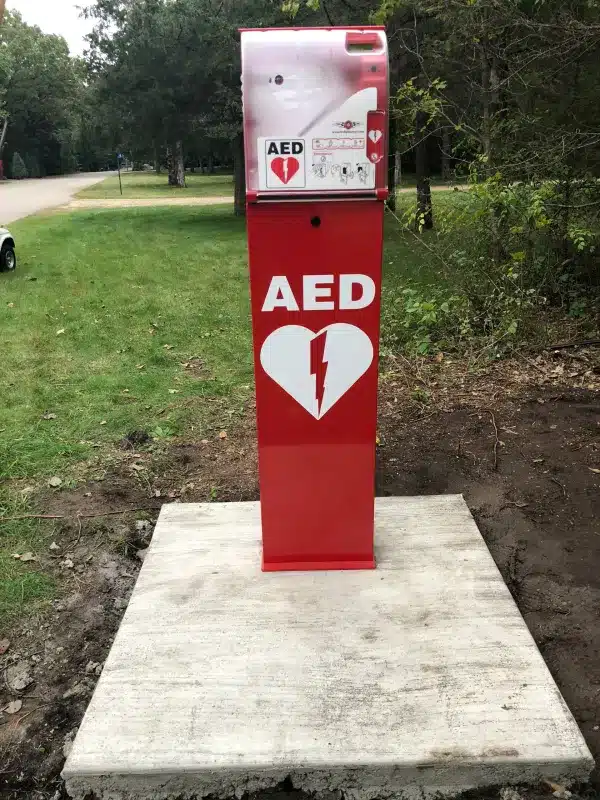
An Automated External Defibrillator (AED) is a life-saving tool that can restore a normal heart rhythm in cases of sudden cardiac arrest. First responders learn to:
- Quickly recognize when an AED is needed
- Attach electrode pads correctly
- Follow voice prompts to analyze and deliver shocks safely
- Continue CPR immediately after defibrillation
CPR Scenarios First Responders Encounter
Unlike the controlled environment of a training facility, real-life emergencies present unique challenges. CPR training prepares first responders for a variety of scenarios, including:
1. Cardiac Arrest in Public Places
From shopping malls to sports arenas, first responders must navigate crowds and distractions while initiating CPR. They learn to communicate effectively, clear space, and take control of the situation.
2. CPR in Confined Spaces
Emergencies don’t always happen in open areas. First responders may need to perform CPR in cramped locations, such as bathrooms, stairwells, or vehicles. Training includes adapting techniques to ensure effective compressions despite limited space.
3. Trauma-Related Cardiac Arrest
Victims of severe accidents or falls may experience cardiac arrest due to blood loss or shock. First responders are trained to assess the situation and combine CPR with bleeding control, spinal precautions, and rapid transport to a medical facility.
4. Pediatric CPR
Children and infants require modified CPR techniques due to their smaller body size and different physiological needs. First responders receive specialized training on:
- Using two fingers for infant chest compressions
- Adjusting the compression-to-breath ratio (15:2 for two-rescuer infant/child CPR)
- Delivering gentler rescue breaths to prevent lung damage
Advancements in CPR Training for First Responders
With technology constantly evolving, CPR training has advanced significantly. Some of the latest innovations include:
1. High-Fidelity Simulation Training
Modern CPR training utilizes lifelike manikins with real-time feedback on compression depth, rate, and hand placement. This allows first responders to refine their techniques before facing real-world emergencies.
2. Virtual Reality (VR) CPR Training
VR simulations immerse first responders in realistic emergency scenarios, helping them practice decision-making skills and teamwork under pressure.
3. Continuous Education and Refresher Courses
Even experienced first responders must refresh their CPR skills regularly. Organizations like the American Heart Association (AHA) and American Red Cross offer continuing education courses to ensure responders stay up to date on the latest CPR guidelines.
The Role of Teamwork in CPR Success
In most cases, first responders work in teams to administer CPR. Effective communication and coordination can significantly improve patient outcomes. Training emphasizes:
- Assigning clear roles (compressor, ventilator, AED operator, etc.)
- Rotating duties every two minutes to prevent fatigue
- Using verbal cues to synchronize actions
Conclusion
CPR training is a fundamental skill that every first responder must master. Whether responding to a cardiac arrest, a trauma incident, or a pediatric emergency, high-quality CPR can mean the difference between life and death. By staying trained, practicing regularly, and embracing new advancements in CPR education, first responders can continue to save lives and make a lasting impact in their communities.
At Firefighter Safe, we provide top-tier CPR training for first responders, ensuring they have the knowledge and confidence to perform life-saving interventions. If you’re a first responder looking to refresh your CPR skills, contact us today to learn more about our training programs. Because when it comes to saving lives, being prepared makes all the difference.